

It Was Just an Accident, 2025. NEON (US)
It Was Just an Accident — The Car Is the Courtroom
Movie Review
Jafar Panahi turns a car crossing Tehran into a courtroom with no judge, no exit, and no verdict anyone inside can live with.
For more than a decade, Jafar Panahi has made films under a ban, and for most of that decade the ban came first. You led with it. It was the frame around every picture, the story before the story. It Was Just an Accident is the film where the ban finally steps back into the shadows. Nothing about his circumstances has improved; that is not the reason. The reason is that the discipline the restriction beat into him has become the tool for the fullest moral work of his life. This is a film about a man who believes he has recognized the prison guard who tortured him, and about what that belief does to the person he has spent his post-prison years trying to be. It is also a film about the moment the private question, am I certain, stops being private, and becomes a live dispute inside a car full of people who need the answer for reasons of their own.
It starts in a garage. A man pulls in with a damaged car, says he hit a dog, and Vahid, the mechanic under the hood, hears a prosthetic leg click against the concrete. He goes still. Not thoughtful still. The other kind, the stillness of a body ambushed by a sound it buried ten years ago and hoped never to hear again. Vahid waits. Vahid follows. Vahid puts the man in the trunk of his own car. And here Panahi makes the choice that saves the film from the two-man desert standoff it could have settled for: Vahid does not drive to the desert. He drives across Tehran, collecting other former prisoners as he goes, until one man’s flash of recognition has become a rolling council of people who spent years rehearsing a confrontation they never believed they would get.
What happens inside that car is the boldest ethical staging I have seen in any film this year. Amin Jafari’s camera stays pinned to the dashboard and the passenger seat, close and airless, and the car is almost always moving, so the city itself leans on the debate. A red light is time to deliberate. A green light starts the fight again. Amir Etminan’s cutting throws out the trial-movie grammar you have been trained to expect, the accuser’s close-up, the accused’s close-up, the wide shot that settles things, and keeps finding new arrangements of bodies in a cramped space instead, so the power in the car shifts every time another voice climbs in. The passengers never harden into symbols; Panahi is too careful for that. But the fight they are having, over certainty, over evidence, over what they will become if they act on a recognition they cannot verify, is the fight a whole political culture has been having with itself for forty years. The car is where it finally has to arrive somewhere.
Vahid Mobasseri plays the mechanic without a trace of performance about him, and that is the point. He is not a trained actor; Panahi has cast outside the industry so consistently it has become a signature, and here the absence of technique does the work technique cannot. Mobasseri does not play a certain man. He plays a man laboring to stay certain while people he trusts, one doubt at a time, cool his conviction down. Watch his hands on the wheel. They clench when a doubt rises from the back seat, ease when the doubt is answered, clench again. The debate lives in his knuckles before it reaches his mouth.
Ebrahim Azizi, as the man from the garage, carries the hardest job in the picture. He is either the guard who tortured the people now weighing his fate, or an ordinary citizen trapped in a nightmare of mistaken identity in the trunk of a stranger’s car, and Panahi withholds the relief of telling you which. Azizi plays both men at once. That is not interiority; it is exhibit, the surface every passenger’s certainty gets tested against. He hands you the man and lets the car decide, and the film’s refusal to decide for you is what gives the whole thing its charge. Certainty here is not a fact waiting under a rock. It is something the survivors must build or give up, in traffic, with the city’s meter running.
The dispute keeps tipping toward farce, and Panahi lets it. The cross-talk, the interruptions, the way people who waited a lifetime for this reckoning end up bickering over logistics: he knows the comedy is in the car with them, and for long stretches it sharpens everything, because the most serious conversations of a life really do happen inside the dumbest practical constraints. There is a stretch near the middle, though, where the tonal gear-shifting asks more than the form can hold, and for a few minutes the debate plays like a bit instead of a crucible. It is a small stumble in a film whose confidence has earned risks almost nobody else working would touch.
I am going to protect where it goes. The back half needs to close on you in real time, and a review that lays the gears on the table steals the dread you are owed. What I can say is this: Panahi is driving toward a claim about what vengeance actually costs the people forced to weigh it, that an apparatus of torture poisons ordinary life by demanding its survivors keep feeding a rage that would eat whatever they have left. And the final movement turns the question inside out, so that a problem about one man’s identity becomes a problem the system will keep manufacturing long after the lights come up. This is what all those years of restriction-forged craft were for: the discipline finally carrying a story big enough to deserve it. It belongs in the permanent conversation about what political cinema can do when its maker has nothing left to lose, and so nothing left to hedge. Yes, it won the Palme d’Or. The Palme is not the point. The point is that this would be exactly this film without it.
Lunara Film Debrief
- Score:★★★★
- Oscar Ledger2 nominations • 0 wins
- Year:2025
- Where to Watch:

Theme Echo
What is this film really about — and who else has said it?
Once Upon a Time in Anatolia (2011)
Ceylan's overnight procedural -- a small group of men moving through rural landscape while a moral question compounds -- is the closest formal cousin to what Panahi does inside the car; both films locate ethics in transit and refuse the static courtroom.
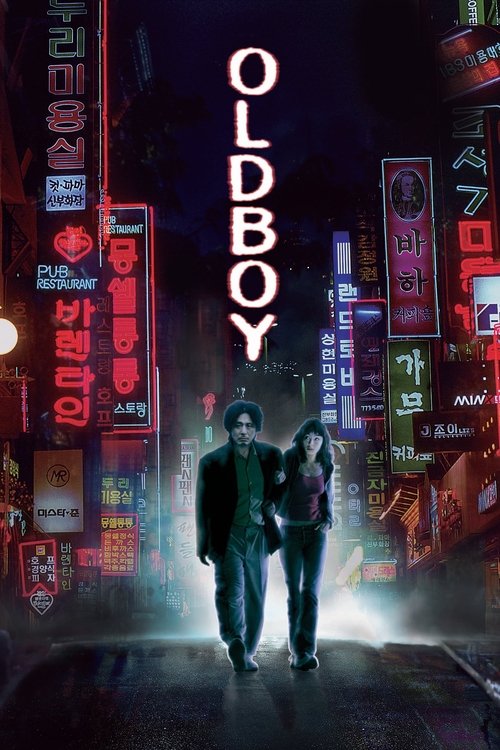
Park Chan-wook's revenge aria is everything It Was Just an Accident refuses -- catharsis as aesthetic, vengeance as resolution, the torturer's identity as climax rather than premise; pair them and the gap between the two philosophies of political violence becomes its own argument.
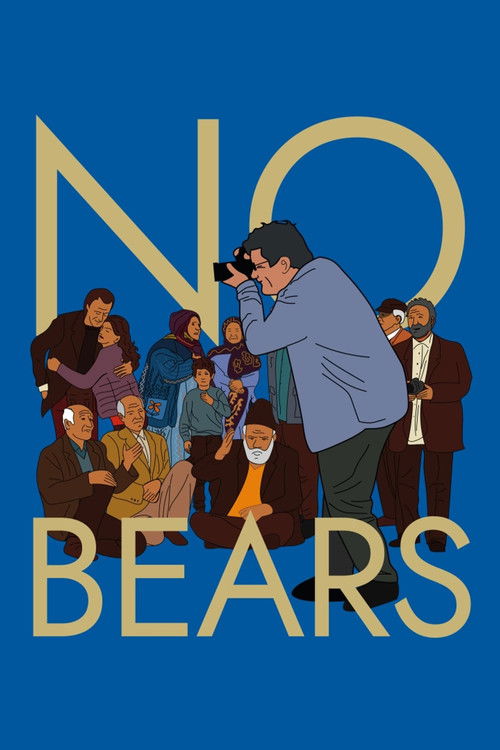
Panahi's prior feature, in which he plays himself directing a film from a border town under restriction, is the direct predecessor; It Was Just an Accident is the synthesis where the restriction-era formal vocabulary finally carries a narrative ambitious enough to match the discipline.
More Lunara Film Criticism
Further Reading
 ★★★½
Lunara Film Review
Den of Thieves 2: Pantera — Burn the Blueprints
The first one wanted to be Heat; this one would rather be drunk, and it turns out drunk is the more honest condition.
Updated September 23, 2026
 ★★½
Lunara Film Review
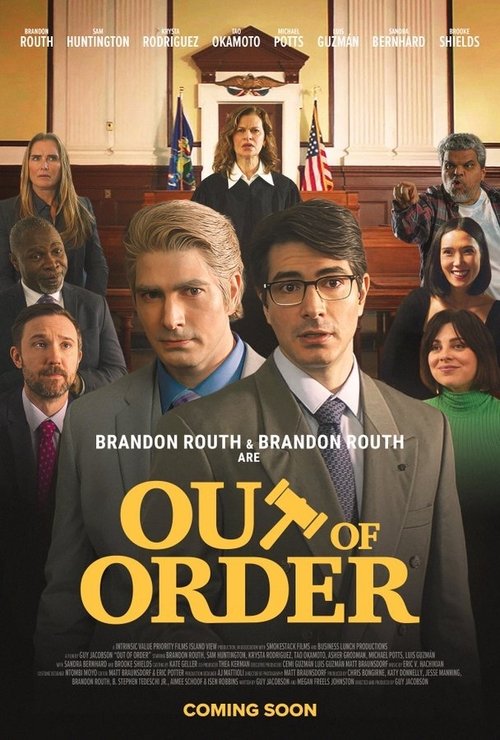
Out of Order! — The Reunion the Movie Doesn’t Know It Has
Superman and Jimmy Olsen share frames again after nineteen years, a Broadway scene-stealer plays the farce all by herself, and the screenplay never shows up to...
Updated September 23, 2026
 ★★½
Lunara Film Review
The Gorge — The Distance Was the Movie
Scott Derrickson's two-hander has one of the best premises of the year and the saddest relationship to it -- a film that treats the very...
Updated September 23, 2026
 ★★★
Lunara Film Review
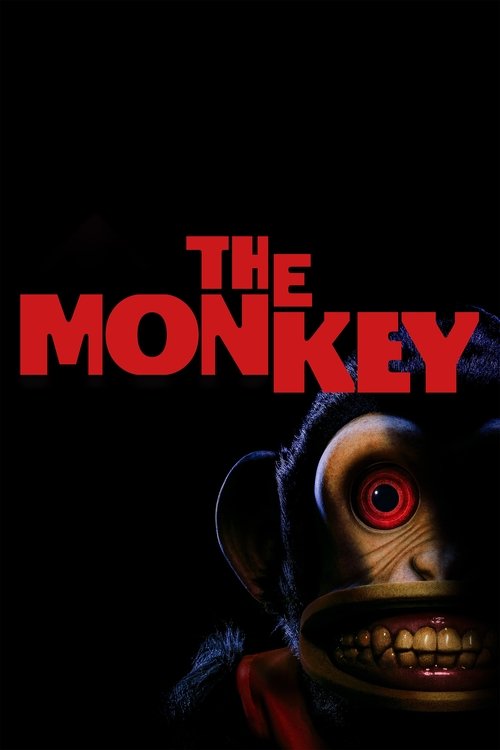
The Monkey — Laughing at the Funeral
Osgood Perkins follows the dread of Longlegs with something that looks like its opposite -- a gleeful splatter comedy about a cursed toy...
Updated September 23, 2026
 ★★★★
Lunara Film Review
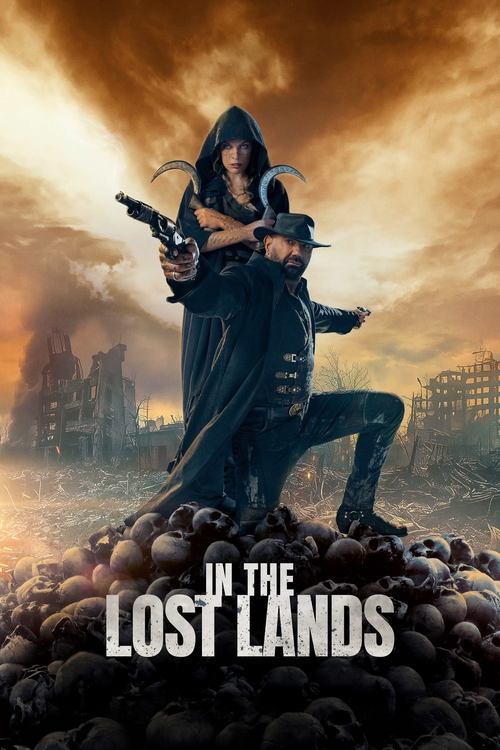
In the Lost Lands — Nobody Is Doing It Like This
Paul W.S. Anderson's dark-fantasy Western is being dismissed this week as cheap-looking digital slop. It is not slop. It is a deliberately...
Updated September 23, 2026