

Ready Player One, 2018. Warner Bros. / Amblin
Ready Player One — Spielberg Against Spielberg
Movie Review
The loudest movie Spielberg ever made is a whispered plea to log off.
Ready Player One is the strangest object in late Spielberg, and I mean that as a compliment it has to earn. On the surface it is a gigantic, exhausting, frequently shallow corporate spectacle, the kind of thing you walk out of with your ears ringing and your soul a little thinner. Underneath, it carries the most honest confession of his career. The man who taught the whole planet to live inside the screen built a monument to that addiction, and then, quietly, from inside the monument, he told you to turn it off.
Let’s be plain about what the movie is, because pretending otherwise does it no favors. Adapted from Ernest Cline’s novel, it is a firehose of intellectual property that never once lets up. The DeLorean. King Kong. The Iron Giant. The Akira bike. A thousand licensed ghosts, poured over a thin young-adult quest about a poor kid chasing a dead billionaire’s fortune inside a virtual world called the OASIS. It is too long. It is too loud. The performances around its edges run from fine to baffling. As a piece of storytelling it is mid-tier Cline wearing a top-tier director, and there are stretches where you can feel the suit not fitting.
If that were all it was, it would be a shrug. It is not all it is.
Because underneath the noise, this is a film at war with itself, and the war is the part worth your ticket. It is a blockbuster about the corporatization of blockbusters, made by the man who invented the form. It is a two-and-a-half-hour orgy of nostalgia whose actual moral, stated outright in the final stretch, is that you cannot live inside nostalgia. The OASIS, for all its wonders, is a beautiful trap, and the only real thing is the drab, grey, unglamorous world everyone in the movie is trying so hard to escape. Spielberg, the great escapist, the father of the modern dream factory, closes his biggest digital spectacle by telling you to go outside, because reality is the only place anything counts. And here is the ache of it: he cannot help making the OASIS gorgeous, and he means the warning completely. The seduction and the sermon are playing at full volume at the same time, and that tension is the film’s true and only subject.
Here is the detail that proves none of this is an accident. Spielberg stripped his own films out of the OASIS. In a movie about the worship of pop iconography, made by a man holding the rights to seemingly everything, the one body of work conspicuously missing is his. No E.T. No Jaws. No Indiana Jones. A Close Encounters gag was written and then cut. The builder of the nostalgia economy looked at the shrine and would not put himself on the altar. That is not a man indulging fan worship. That is a man indicting it, his own role included, turning down the exact vanity the whole film is about. Read the movie that way and the excess stops being a failure of taste and starts looking like the disease being diagnosed: a culture drowning in recognition, where nobody makes anything new because everyone is holding their breath for a glimpse of something they have already seen.
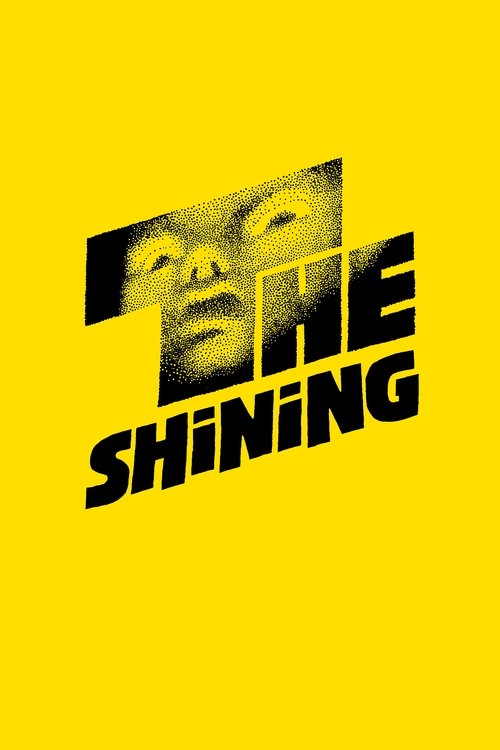
And then there is the sequence you do not forget, the one that lifts the whole picture onto another plane. Midway through, the characters step into a frame-perfect digital recreation of the Overlook Hotel from The Shining, and Spielberg directs inside Stanley Kubrick’s haunted masterpiece like a man walking through his own memory. Which, it turns out, is exactly what he is doing. Spielberg first met Kubrick in 1979, on that very soundstage. When Kubrick wrapped The Shining, Spielberg took the stage over to shoot the Well of Souls for Raiders of the Lost Ark. And after Kubrick died, Spielberg finished his final film. So the most autobiographical passage in a movie supposedly about other people’s property is Spielberg staging his own ghost story inside the hotel of the mentor he met there, inherited from, and buried. The best stretch of a film about being trapped by the past is the director, knowingly, walking back into his. It is no accident that this is the part that awes you. It is the only part that is fully his.
All of it gathers in James Halliday, the dead creator-god who built the OASIS and hid his fortune inside it. Mark Rylance plays him small and mumbling, a lonely, regretful genius who made a universe because he could not connect in the real one, who shaped a world in his own image and then wondered, too late, what it had cost him and everyone in it. He is, unmistakably, a Spielberg self-portrait: the world-builder asking whether the worlds were a gift or a prison, ready to hand the kingdom to a successor and praying the kid does better with it than he did. The most moving thing in the movie is not the spectacle. It is an old artist looking at his life’s work and asking, with real fear, whether he helped anyone or only gave them a more beautiful place to hide.
It does not entirely work, and the grade stays where it is. The scaffolding really is creaky, the runtime punishes you, and the source material is too thin to bear the weight Spielberg keeps setting on it; the film reaches for a reckoning it can only intermittently hold. But it matters more now than it did in 2018, because we can finally see what it was the beginning of. This is the first chapter of the late-Spielberg confession, the one where he turns the camera on his own legacy, before The Fabelmans turned it on his family and Disclosure Day turned it on the sky. It is the chapter where the most beloved entertainer of the last half-century looks hard at the entertainment machine he fathered and, from deep inside its loudest possible expression, tells you the realest thing you can do is log off. A flawed film. An unforgettable confession. Proof that even at his most commercial he was already turning inward, already, quietly, against himself.
Lunara Film Debrief
- Score:★★★
- Oscar Ledger1 nominations • 0 wins
- Year:2018
- Where to Watch:AvailabilityStreamDigitalFind Digital Options
Theme Echo
What is this film really about — and who else has said it?
The Shining (1980)
The haunted hotel Spielberg literally walks back into -- the soundstage where he met Kubrick, inherited from him, and whose director's last film he finished; the one sequence that lifts the movie is the one that is secretly his.

Counter Program
What is the strongest argument against it?
The Fabelmans (2022)
The inward turn aimed at family instead of legacy -- the next, deeper chapter of the same confession; watch them together and Ready Player One stops looking like a toy and starts looking like a warm-up.

Career Context
Where does this sit in the artist's story?
Disclosure Day (2026)
RPO turns the camera on his own legacy, The Fabelmans on his family, Disclosure Day on the sky -- the named trilogy of the late-Spielberg inward turn, and this is where it starts.
More Lunara Film Criticism
Further Reading
 ★★★★★
Lunara Film Review
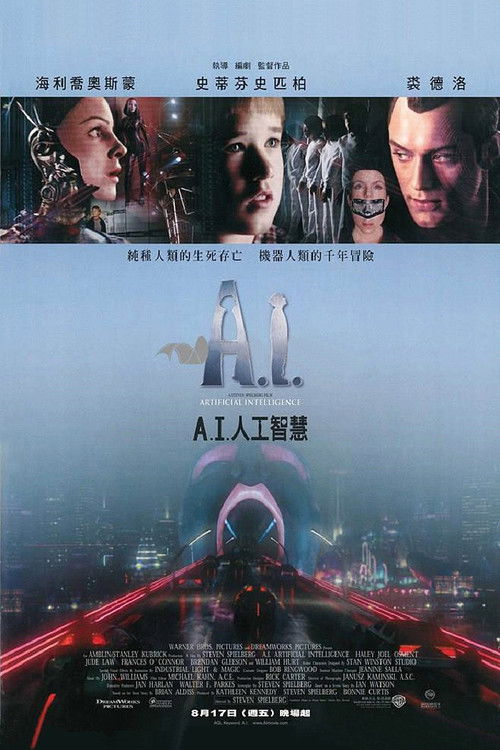
Watch trailerA.I. Artificial Intelligence
Steven Spielberg finishes Stanley Kubrick's orphaned fairy tale and delivers the year's most honest American film about what we owe the things we build to love…
Updated September 23, 2026
 ★★★★
Lunara Film Review
West Side Story — The Camera Finally Dances
Spielberg waited fifty years to move a camera through a song, and the hunger is visible in every frame.
Updated September 23, 2026
 ★★★★★
Lunara Film Review
Catch Me If You Can — The Fun Is the Disguise
Spielberg's lightest movie is a divorce picture that learned to sprint.
Updated September 23, 2026
★★★★½
Lunara Film Review
A.I. Artificial Intelligence — The Coldest Thing Spielberg Ever Made
For twenty-five years the official story on A.I. Artificial Intelligence has been that Steven Spielberg took Stanley Kubrick's cold,...
Updated September 23, 2026
 ★★★★
Lunara Film Review
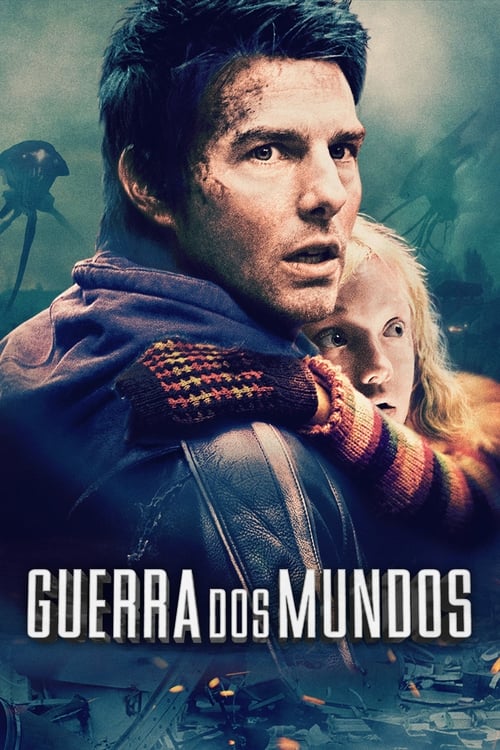
War of the Worlds — His Most Pitiless Film
Steven Spielberg likes to say he never made a horror movie. He is wrong, and this is it. War of the Worlds arrived in the summer of 2005...
Updated September 23, 2026