
Lunara Review
Sirat — Die Before You Die
Named for the bridge over hell, thinner than a hair and sharper than a sword. Oliver Laxe makes the audience walk it, and crossing is the point.

Oliver Laxe’s Cannes Jury Prize winner is named for the bridge over hell, thinner than a hair and sharper than a sword, and he makes the audience walk it.
The first images of Sirat are of labor. Hands stack speaker cabinets into a black wall at the base of a Moroccan canyon; cables get taped down, generators fueled, levels set, and then a bass note goes out across the rock like weather. Laxe films the building of the rave before he films the rave, and the order matters: this is a ceremony, and ceremonies get built. The title is the second clue. In Islamic tradition the sirat is the bridge that spans hell, thinner than a hair and sharper than a sword; the saved walk across, and everyone else finds out. Laxe named his film after that bridge and then made a film that behaves like one. There is a far side. There is a drop. There is no railing anywhere.
Luis (Sergi Lopez) has come to this rave with his young son Esteban (Bruno Nunez Arjona) and a photograph of his daughter Mar, who vanished months ago and was last seen at a party like this one. Everyone else in the canyon came to the desert to disappear. Luis came to undo a disappearance, and that asymmetry powers the whole picture: a man handing a photograph into a crowd whose one shared value is that nobody here gets looked for. When a small convoy of ravers pushes deeper south toward a rumored last party, Luis and the boy follow in their tired van, because a rumor of Mar is the only currency he has left.
Then the world outside the frame gives way. A radio bulletin, soldiers at a fuel stop, a map that no longer means what it meant that morning: war, unnamed and unexplained, has started somewhere, and the convoy can no longer go back the way it came. Laxe never cuts away to show the catastrophe. He keeps the camera on the trucks and lets the information land the way it lands on the characters, by inference, by the behavior of people who have heard enough. And somewhere past the halfway mark the film does something to its passengers that I am not going to describe, and then does it again. Trust me with the shape of it and nothing more: the ruptures are staged smaller than any studio would dare, and they hit harder than anything a studio released this year. The film you bought a ticket for is not the film that walks you out.
The lineage is Sorcerer. Friedkin’s 1977 convoy of nitroglycerin trucks is still the standard for dread about vehicles crossing terrain that wants them dead, and Sirat is its truest descendant in decades: the trucks are the only thing keeping anyone alive, so their failures get photographed with the care lesser films save for gunfights. Mauro Herce shoots on Super 16mm, and the grain earns its keep — the air reads as particulate, hostile, something you would have to chew. The desert did its part for that texture. A sandstorm during the Morocco shoot destroyed most of the production’s lenses and forced extensive reshoots, and the film wears the ordeal openly; nothing on this screen looks negotiated with. Sunlight here is not illumination. It is exposure, in the radiological sense.
Sergi Lopez has spent thirty years as European cinema’s most amiable menace; the charm that curdled in With a Friend Like Harry and wore a captain’s uniform in Pan’s Labyrinth is nowhere in Luis. What is left is a heavy, patient man who shows a photograph the way a worker shows a permit: at arm’s length, already braced for the head-shake, filing each no with the other noes. Around him Laxe cast almost no professionals. The ravers were street-cast by Nadia Acimi out of the actual free-party world, and their competence is the whole payoff of the choice. They can rig a sound system, splint a truck, read a horizon. When the second half asks them to spend those skills on staying alive, the film gets to play survival as procedure instead of melodrama, and procedure is scarier. Bruno Nunez Arjona plays Esteban on the one honest note available to a child in a picture like this: not brave, not wise, just tired and cold and hoping his father notices.
Kangding Ray’s score took a year and a half to build, and Laxe has described the method as dematerialization: the techno decays as the story does, kick drums thinning into sine waves, sine waves into wind. The claim sounds like press-kit poetry until you hear it happening. The bass in the opening reels sits in the sternum like a second pulse, and every loss the film takes afterward is a frequency you stop hearing. Laia Casanova’s sound design does the rest, packing the desert so close around the audience that silence stops being an absence and becomes a room you are locked in. There is no neutral register anywhere in the mix. Sound is either the party or the toll.
The serious case against Sirat calls it chic nihilism: a film that baits you with a father’s grief, spends the daughter as a premise rather than a person, then trades the search for a catastrophe it never has to explain, so the cruelty can feel cosmic instead of authored. Argued honestly, part of that holds. Mar stays a photograph. The war stays a rumor. A viewer who wanted this film to owe its own setup an answer is not wrong to feel stiffed, and that debt is the honest mark against it. But the nihilism half of the charge dies on contact with what Laxe built and what he has said about it. He calls the film a ceremony, Sufi to its bones, and told an interviewer he wanted to make a film where people could die before they die — the oldest instruction in mystical practice, dressed as a road movie. A nihilist shrug does not spend eighteen months dissolving its own score by degrees. Punishment engineered this precisely, aimed this squarely at transformation, is a rite, and rites are supposed to cost.
What stays with you afterward is not an image but a load: bass in the chest, grit in the teeth, the specific weight of a boy leaning against his father in the cold. Sirat will divide every room it plays to, and the division is correct; a bridge over hell is not a crowd-pleaser, it is a crossing, and some people will reasonably decline to make it. Go in warned and go in rested. I cannot tell you it is a pleasure. I can tell you I walked out changed in the direction the film intended, which is the rarest thing I can report about a movie this year. The desert wins. Laxe meant it to. Crossing is the point.
LUNARA DEBRIEF
- Score:★★★★
- Oscar Ledger2 nominations • 0 wins
- Year:2025
- Where to Watch:
Pair It With
Three films in conversation with this one.

Theme Echo
Sorcerer (1977)
Friedkin's convoy through a jungle that wants its cargo dead is the same nightmare in a different climate; Laxe moves the dread from a known war's economy to an unnamed war's outbreak, and swaps Friedkin's fatalism for liturgy.
Counter-Program
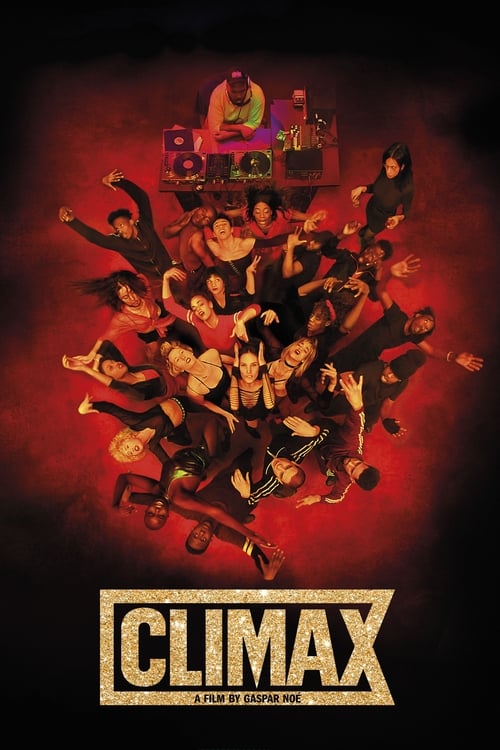
Climax (2018)
Identical raw materials: dance music, a communal body, a descent nobody chose. Noe's collapse is spiked from outside and means nothing on purpose; Laxe's is a rite with a far shore. Back to back, they show nihilism and ceremony wearing the same clothes.
Career Context
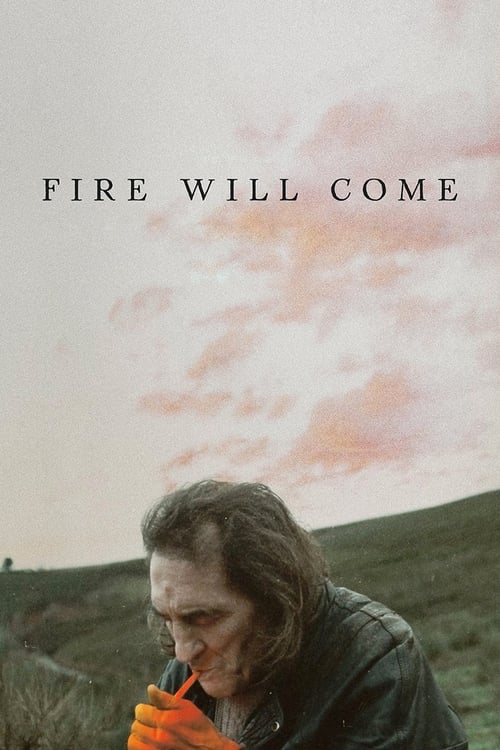
Fire Will Come (2019)
Laxe and Herce's previous collaboration locates catastrophe in one man and one Galician hillside; Sirat scales the same patience to a whole world coming loose, and confirms Laxe as one of the essential directors of landscape.
Further Reading
More Lunara Criticism
 ★★★½
★★★½
Lunara Review
Den of Thieves 2: Pantera — Burn the Blueprints
The first one wanted to be Heat; this one would rather be drunk, and it turns out drunk is the more honest condition.
Updated July 25, 2026
 ★★½
★★½
Lunara Review
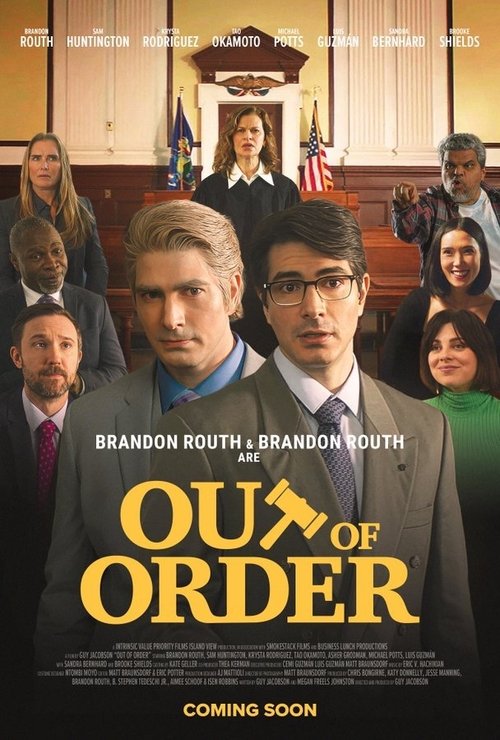
Out of Order! — The Reunion the Movie Doesn’t Know It Has
Superman and Jimmy Olsen share frames again after nineteen years, a Broadway scene-stealer plays the farce all by herself, and the screenplay never shows up to...
Updated July 25, 2026
 ★★½
★★½
Lunara Review
The Gorge — The Distance Was the Movie
Scott Derrickson's two-hander has one of the best premises of the year and the saddest relationship to it -- a film that treats the very...
Updated July 14, 2026
 ★★★
★★★
Lunara Review
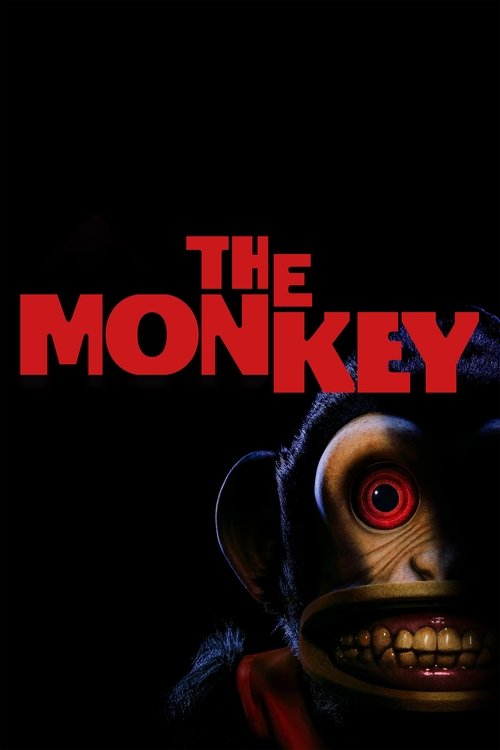
The Monkey — Laughing at the Funeral
Osgood Perkins follows the dread of Longlegs with something that looks like its opposite -- a gleeful splatter comedy about a cursed toy...
Updated August 12, 2026
 ★★★★
★★★★
Lunara Review
In the Lost Lands — Nobody Is Doing It Like This
Paul W.S. Anderson's dark-fantasy Western is being dismissed this week as cheap-looking digital slop. It is not slop. It is a deliberately...
Updated July 14, 2026