
Lunara Review
The Banshees of Inisherin — I Just Don’t Like You No More
A man ends a friendship for no reason he can defend, and Martin McDonagh builds a civil war out of it.

A man ends a friendship for no reason he can defend, and Martin McDonagh builds a civil war out of it.
At two o’clock, as he has done every day of his adult life, Padraic Suilleabhain walks to his friend Colm’s cottage to collect him for the pub. The knock goes unanswered. Colm is inside, visible through the window, smoking, not moving. At the pub, later, the explanation arrives with the flat finality of a diagnosis: I just don’t like you no more. That is the entire inciting incident of The Banshees of Inisherin, a breakup with no infidelity, no betrayal, no grievance to litigate, and Martin McDonagh spends the film proving it is enough to end the world. Across the water, audible as occasional cannon fire, the Irish Civil War is burning through 1923; on Inisherin, two men conduct their own, and the film’s blackest joke is that theirs is the one fought over something real.
Colin Farrell gives the performance of his life as a man discovering, in public, at the pace of gossip, that he is boring. Padraic is kind, and kindness is his entire portfolio: he tends his animals, he is pleasant at two o’clock, he lets his miniature donkey Jenny in the house when it rains. Farrell plays the dawning humiliation through his eyebrows, twin awnings of bewilderment collapsing by degrees, and through the terrible earnestness with which Padraic tries to argue his own worth. His pub defense of niceness against greatness, my ma was nice, and no one remembers her, and no one remembers anyone, delivered to a man who wants only to write one piece of music before he dies, is the film’s thesis stated by its losing side. Brendan Gleeson gives Colm the opposite instrument: stillness, a granite melancholy the film is careful never to fully explain. Colm has looked at his remaining years, felt what the priest calls despair, and decided the tin-whistle of Padraic’s chatter is the sound of his life being spent. He is not wrong that time is short. He is monstrous about the arithmetic, and the film honors both facts at once.
Then come the shears. Colm’s escalation, every further word from you and I will cut off one of my own fiddling fingers, is the moment McDonagh’s fable logic bares its teeth, and the film commits to it absolutely. The first finger arrives against the cottage door with a wet slap, a musician amputating his own future note by note to prove the sincerity of a rejection, and Ben Davis shoots the aftermath with the same postcard beauty he gives everything: green hills, holy light, a severed finger in the road. That beauty is the film’s coldest instrument. The wide shots keep placing these tiny feuding men against cliffs and ocean that will outlast every grievance on the island, while Carter Burwell’s score, thin bells and lullaby threads, keeps the fairy-tale frame around what is, scene by scene, a war of attrition between two kinds of loneliness.
Around the principals, the island functions as a chorus of what each man fears becoming. Kerry Condon’s Siobhan, the only adult on Inisherin, gets the film’s saddest arc: the woman sharp enough to see the feud is idiocy and lonely enough that seeing it saves no one, finally choosing the mainland and a life over the island and its endless pint-time. And Barry Keoghan’s Dominic, the parish fool with a policeman father whose abuse the film hands us in one unbearable aside, is Banshees’ honest limit for me: Keoghan is heartbreaking, but Dominic’s fate runs on folklore scheduling, the fool dies once his last hope is denied, and it is the single place where the film’s cruelty feels authored rather than inevitable, a fable collecting a death because fables do. The banshee McSormley practically files the paperwork. It works as myth; it is the one beat that does not work as life.
The ending restores the film to its terrible best. Jenny the donkey chokes on a fallen finger, Padraic’s kindness dies with her, and the nice man burns the great man’s house down, politely, at a pre-announced hour, sparing the dog. On the beach afterward the two men stand in the wreckage of their war, and Colm offers the word truce; Padraic declines it. Some things there’s no moving on from, he says, and that’s a good thing, I think. Across the water the cannons have gone quiet, and the film’s last irony completes itself: the national war will end, wars between armies do, but the war between two men who once drank together at two o’clock has just found its permanent form. McDonagh has made funnier films and bloodier ones. He has never made one this sad about so small a thing, or this sure that no thing is small on an island where everyone knows the sound of your knock.
LUNARA DEBRIEF
- Score: 5 / 5
- Year: 2022
- Where to Watch: Streaming (Max, Hulu) | VOD (major platforms)
- Theme Echo: A Simple Plan (1998) tt0120324. Another closed community where one decision between intimates compounds into ruin, and another film that knows the escalations are voluntary at every single step. Raimi’s snow and McDonagh’s rain fall on the same moral.
- Counter-Program: The Quiet Man (1952) tt0045061. Ford’s emerald postcard of Irish village life, brawls as courtship, community as warmth. Banshees is that postcard turned over, with the address written in despair; watching both shows exactly which myth McDonagh is dismantling pint by pint.
- Career Context: In Bruges (2008) tt0780536. Farrell and Gleeson’s first McDonagh two-hander: the same bickering intimacy, the same purgatorial setting, the same comedy conducted at the lip of damnation. Fourteen years later the guns are gone and the wounds are worse.
LUNARA DEBRIEF
- Score:★★★★★
- Oscar Ledger9 nominations • 0 wins
- Year:2022
- Where to Watch:
Pair It With
Three films in conversation with this one.

Theme Echo
A Simple Plan (1998)
Another closed community where one decision between intimates compounds into ruin, and another film that knows the escalations are voluntary at every single step. Raimi's snow and McDonagh's rain fall on the same moral.

Counter-Program
The Quiet Man (1952)
Ford's emerald postcard of Irish village life, brawls as courtship, community as warmth. Banshees is that postcard turned over, with the address written in despair; watching both shows exactly which myth McDonagh is dismantling pint by pint.

Career Context
In Bruges (2008)
Farrell and Gleeson's first McDonagh two-hander: the same bickering intimacy, the same purgatorial setting, the same comedy conducted at the lip of damnation. Fourteen years later the guns are gone and the wounds are worse.
Further Reading
More Lunara Criticism
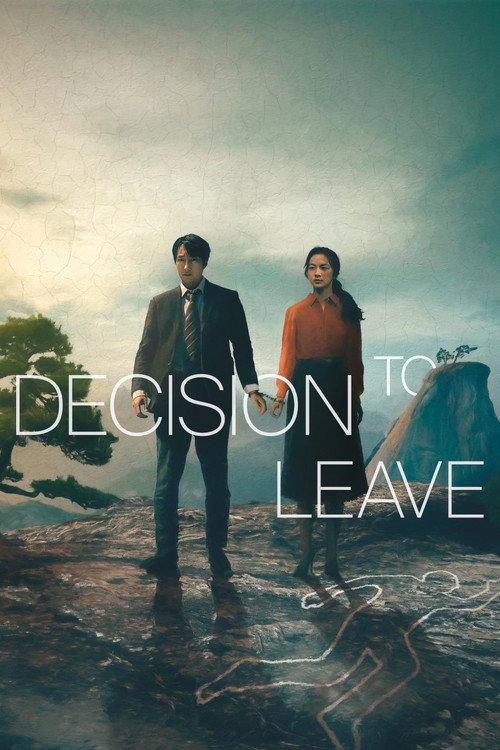 ★★★★★
★★★★★
Lunara Review
Decision to Leave — Surveillance Is the Love Language
Park Chan-wook's detective romance understands the terrible secret of both professions: to investigate someone and to love someone are the same activity.
Updated July 25, 2026
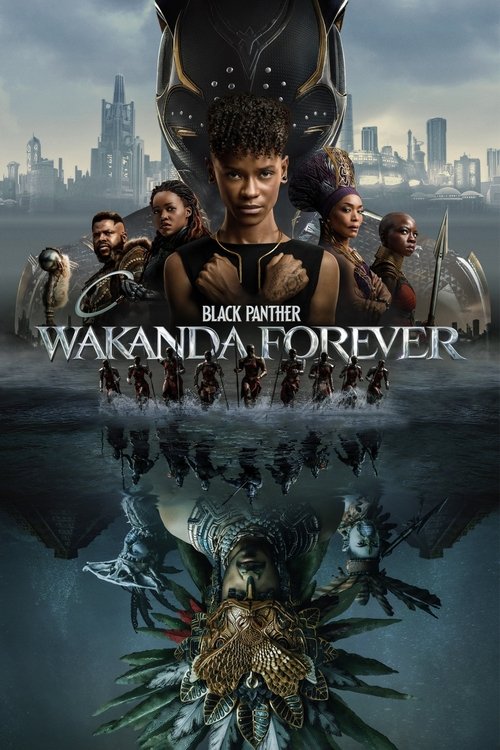 ★★★½
★★★½
Lunara Review
Black Panther: Wakanda Forever — Stronger as Eulogy Than Entertainment
The first franchise film that had to bury its star before it was allowed to tell a story.
Updated July 25, 2026
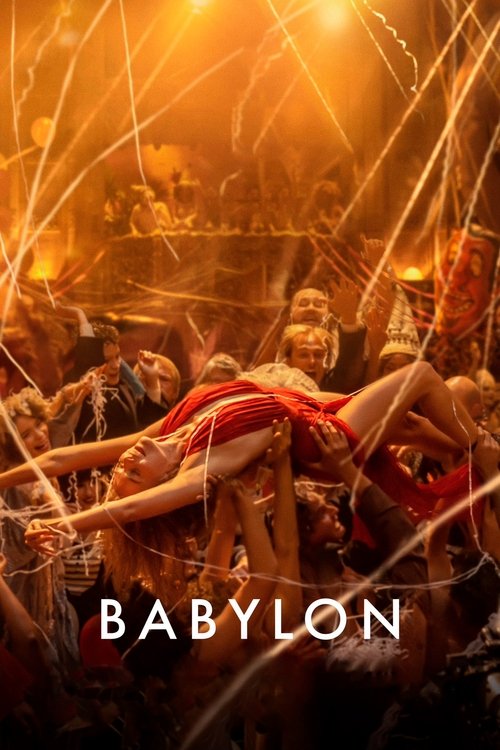 ★★★★★
★★★★★
Lunara Review
Babylon — The Movies Were Never Respectable
Three hours of vomit, jazz, and dying stars, all of it in defense of one heretical idea: the sacred thing was built by the vulgar people.
Updated July 25, 2026
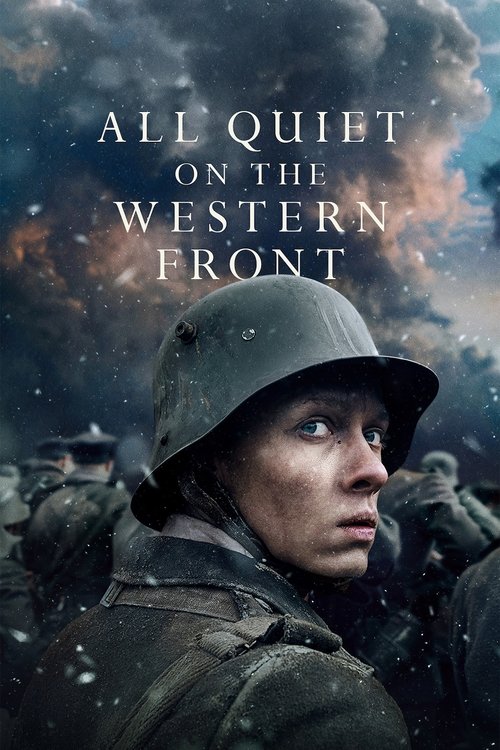 ★★★★½
★★★★½
Lunara Review
All Quiet on the Western Front — The Uniform Outlives the Boy
Edward Berger's war film opens with laundry, and the laundry is the most frightening thing in it.
Updated July 25, 2026
 ★★★★
★★★★
Lunara Review
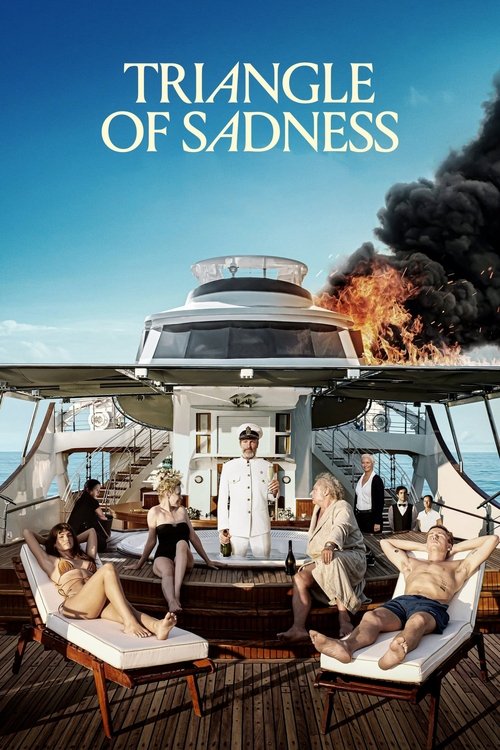
Triangle of Sadness — Tip the Room, Watch Power Slide
Ostlund's Palme d'Or winner is less a satire than a physics experiment: tilt the deck and see where authority rolls.
Updated July 25, 2026