
Lunara Review
The Incredible Hulk — The First Casualty of the Machine
The best scene in this movie is not in this movie, and the film spends two hours reaching for it anyway.

The best scene in The Incredible Hulk was cut before anyone could see it, and the movie spends two hours reaching for the ghost.
Picture the scene. Bruce Banner walks out onto Arctic ice, alone at the top of the world, and puts a gun in his mouth. Before he can pull the trigger, the change takes the choice away from him, and the camera pulls back to show the ice sheet splitting open beneath something that has decided to live whether he wants to or not. That may be the best scene in The Incredible Hulk. It is not in The Incredible Hulk. Marvel cut it, along with twenty-three minutes of the film Edward Norton and Louis Leterrier believed they were making, and what arrived in theaters this summer is a movie that keeps stretching toward rooms that are no longer in the house.
Usually the production story is trivia. Here it is the whole story. Norton signed on with a deal that gave him co-writing credit and real creative input, and then he did exactly what anyone paying attention to his career should have expected. He rewrote the script inward. He pushed the Hulk toward tragedy instead of spectacle and helped build a 135-minute cut shaped around Banner’s exile, his ruined love for Betty Ross, and that gun on the ice. Marvel Studios, five months old as a production entity, trimmed it to 112 minutes, pulled out the character work, and shipped a chase thriller. Norton said so in public. Marvel answered by handing the part to Mark Ruffalo for The Avengers. Every director and star who came after absorbed the lesson before their first day on set: the studio holds the cut. Always.
What survives the cutting room is a film at war with itself, and here is the strange part: the war is watchable. Norton plays Banner as if he is starring in a body-horror picture while the movie around him keeps trying to become a fugitive thriller, and that mismatch is the closest thing the film has to a soul. His Banner moves with a flinching hypervigilance. Shoulders rounded. Eyes always finding the exits. Every interaction sized down to make himself smaller. Watch him check his pulse in the favela, breathing like a man doing arithmetic against his own heartbeat. This is chronic self-suppression written into posture and breath, the work of an actor who has thought hard about what it does to a body to treat its own feelings as a loaded weapon. The performance is too interior for the film Marvel released, and that is exactly where its power lives. It carries the longer movie the way an amputee carries a phantom limb. You feel the weight of what is not there.
Liv Tyler is doing something the franchise never tried again, and it moved me more than anything else on screen. Her Betty speaks almost entirely through proximity and silence. She touches Banner’s hand and watches his reaction before she lets the touch become a grip. When he spirals, she lowers her voice, not to soothe him but to model the calm his body needs permission to adopt. It is the most grounded romantic work in this whole young canon, and nobody talks about it, partly because the franchise deleted the character and recast the couple, and partly because the film housing her never lets these two sit still long enough for anyone to notice what she is doing.
Tim Roth gives Norton his structural opposite, and the symmetry is lovely while it lasts. Where Banner fears what his body can do, Emil Blonsky grieves what his no longer can. Roth plays the early scenes with the coiled agitation of a career soldier who has aged past his own usefulness and knows it, and when the super-soldier serum arrives he reads it exactly right: not as power but as restoration. Getting back what the years took. That is a performance about masculine obsolescence, one of the more interesting things this new studio has put in front of a camera, and the third act throws it in the trash by inflating Blonsky into a computer-generated creature indistinguishable from a video game boss. The film’s most human antagonist vanishes into its least human sequence.
The Harlem climax is where the fair accounting has to land, and the problem is not that the finale is loud. The problem is that the film does not flow into it. It lurches, the way a sentence lurches when its middle clause has been deleted. Two acts of psychological pressure, then rubble. The character study and the blockbuster occupy the same body without ever being introduced to each other, and given the editorial history, that is less a metaphor than a description of the workflow. You feel the missing connective tissue the way your foot feels a stair that is not there.
So why does The Incredible Hulk matter in 2026? Not as a good film, because it is not one. It matters as the franchise’s most instructive failure, the malfunction the whole system was rebuilt to prevent. It established the rule that governs everything after: the actor serves the franchise, never the reverse. Norton’s exit taught Marvel that collaborative friction was a liability, and the studio built itself smoother with every entry, more controlled, less and less likely to contain a performance that belongs to a different, better film. That is the loss, and it is worth saying plainly. A performance that belongs to a better film is frequently the most alive thing a film can contain. This one has three of them. The machine learned from its first malfunction, and what it learned was how to stop anyone from building something it could not control.
LUNARA DEBRIEF
- Score:★★½
- Year:2008
- Where to Watch:
Theme Echo
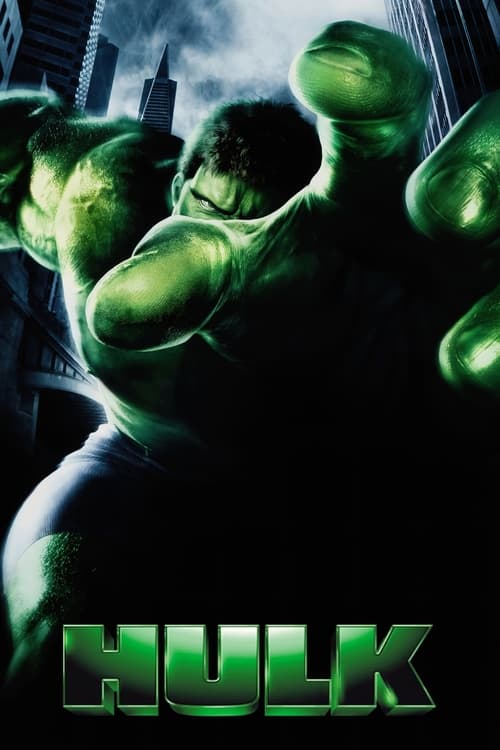
Hulk (2003)
Ang Lee's version fails in the opposite direction, all interiority and split-screen grief with the crowd-pleasing surgically removed. The two films are a matched pair of amputations. One cut the character to save the spectacle, one starved the spectacle to save the character, and the Hulk walked away from neither operation intact.

Counter-Program
Logan (2017)
This is the film Norton's cut was reaching for: a studio finally letting a superhero picture be about the body as a burden and the self as something you manage rather than celebrate. Proof the interior version was always possible. It just needed a studio willing to lose the argument.

Career Context
Fight Club (1999)
Norton's earlier war between a suppressed man and the destructive self he cannot disown, made with a director who had the authority to protect the cut. Same actor, same fault line, opposite outcome, and the comparison explains everything about why he signed on and why he walked.
Further Reading
More Lunara Criticism
 ★★★★
★★★★
Lunara Review
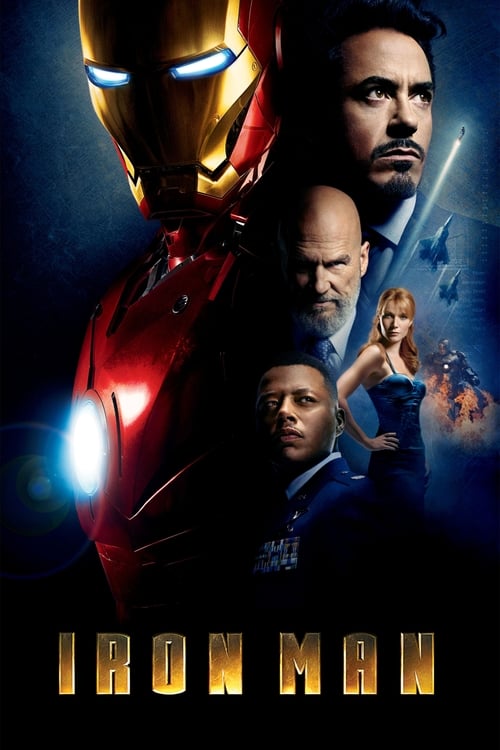
Iron Man — The One That Was Actually Dangerous
The most consequential line in the franchise was made up on the spot, and that is the whole movie in miniature.
Updated September 23, 2026
 ★★★★★
★★★★★
Lunara Review
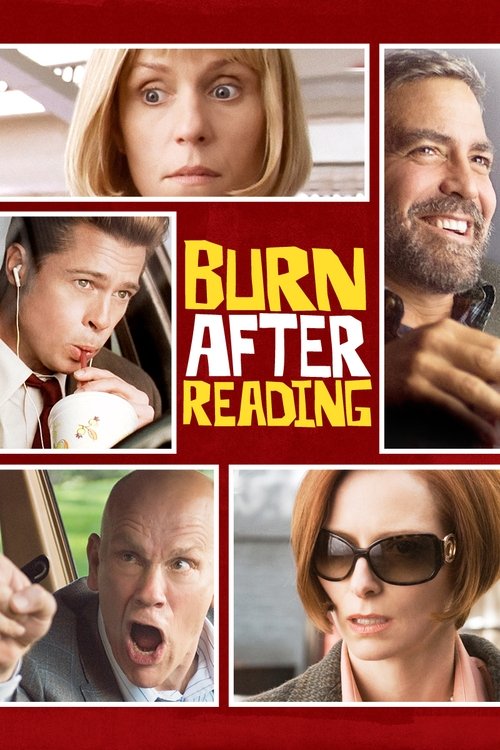
Burn After Reading — Nobody Learns Anything
The Coens' spy comedy has no spy and no secret; eighteen years on, that is the scariest thing in it.
Updated September 23, 2026
 ★★★★★
★★★★★
Lunara Review
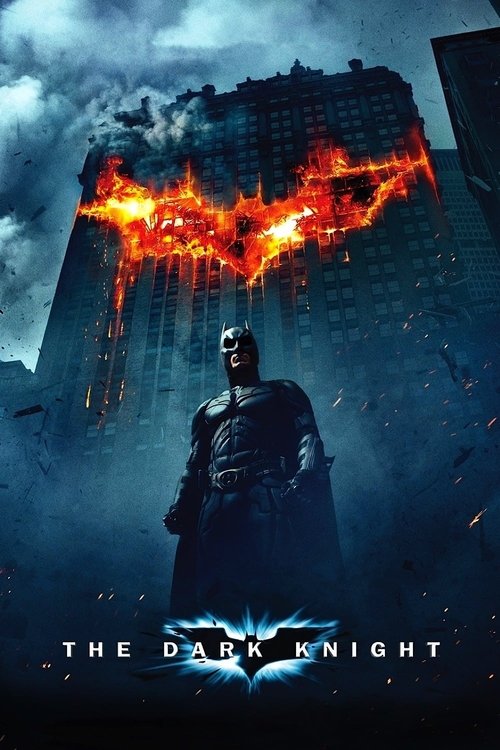
The Dark Knight — I Believed in Harvey Dent
My parents were out of town, the first showing on opening night was packed to the walls, and I walked out having watched a shooting star...
Updated September 23, 2026
 ★★★★
★★★★
Lunara Review
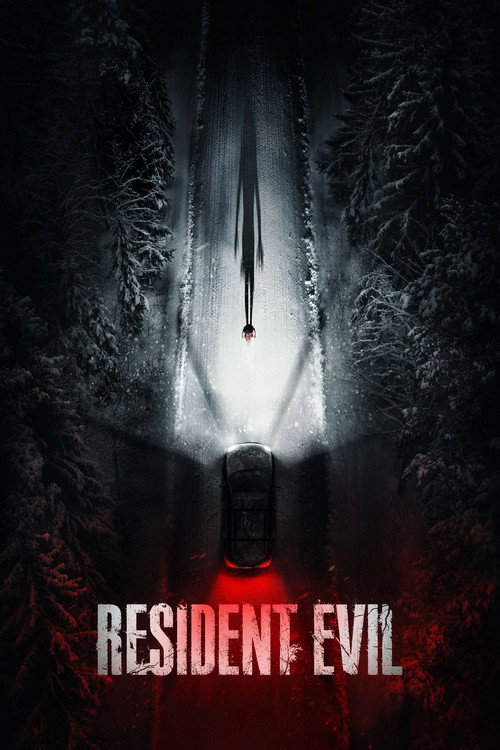
Resident Evil — The Worst Night of His Life
Resident Evil - Zach Cregger trades dread for velocity, and Austin Abrams gives a video game movie the most believable panic in years. Then it goes...
Updated September 22, 2026
 ★★
★★
Lunara Review
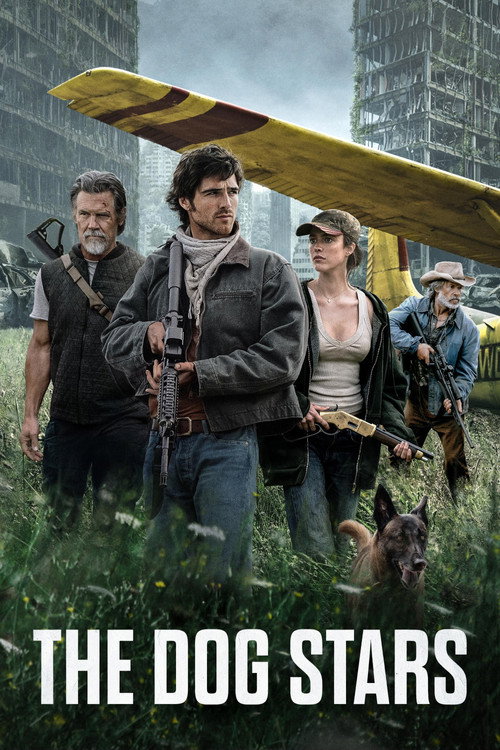
The Dog Stars — Going Nowhere Beautifully
Ridley Scott makes the end of the world look expensive and feel like nothing at all, and outsources the only honest emotion to a very good...
Updated September 10, 2026