
Lunara Review
Iron Man — The One That Was Actually Dangerous
The most consequential line in the franchise was made up on the spot, and that is the whole movie in miniature.

The biggest franchise in movie history opens on an actor throwing away his index cards, and it was never this alive again.
Robert Downey Jr. stands at a podium holding index cards. On the cards is the approved lie, the bodyguard alibi, the cover story that half a century of superhero convention required him to read out loud. He looks at the cards. He puts them down. He says the other thing. Three words, invented in the moment, in no draft of the script, and the secret identity, a load-bearing rule of the genre since the genre was born, is dead on the floor. And it is not only Tony Stark talking. It is the actor, a man whose arrests and addictions played out in the tabloids for a decade, deciding in front of the cameras that hiding costs more than exposure ever will. The biggest franchise Hollywood has ever built closes its first film on an improvisation. That is not trivia. That is the whole picture in three words.
Nothing about the making of Iron Man was supposed to work, and I want to be plain about how not-supposed-to-work it was. The script was unfinished when cameras rolled. Jon Favreau walked in carrying a directing resume that consisted of Elf and Zathura. Marvel’s executives had already rejected his casting choice once. The Pentagon had signed off on the storyline in exchange for access to military hardware. And every morning the dialogue was being invented on set, actors and director talking the scenes into existence before shooting them. This is not how franchise cinema is supposed to get made. It is exactly how the best of it actually does. The looseness of the making is baked into the texture of the finished thing: these scenes breathe with an unrehearsed looseness that no sequel, locked into previsualization and contractual obligation, has ever managed to fake.
Favreau fought for Downey because he understood something no boardroom could have run the numbers on. The journey from self-destructive brilliance to public reinvention was not a role Downey had to build from imagination. He was five years clean after a decade of addiction, arrests, and prison time, an actor nobody wanted to insure, and Stark’s arc was a road he had already walked in his own shoes. Watch what that buys in the first act. His Stark moves through rooms with the loose-shouldered sprawl of a man used to owning them, gestures wide, eye contact working as weapon and invitation at once, and under all that ease there is a faint vibration, the performance of control rather than the possession of it. Then the cave. The body contracts on contact: chest hollowed, movements deliberate, eyes calculating instead of charming. A man who has actually known institutional confinement pours that knowledge straight into posture, and not one line of exposition has to ask him for it.
The voice runs on the same fuel. Stark talks in overlapping bursts, half-thoughts crashing into jokes crashing into deflection, a rhythm born of those improvised mornings that also tells you his mind outruns his mouth. For years that delivery got filed away as mere quippiness, the house style in embryo. That is the wrong reading. It is anxiety dressed as wit. Stark talks fast because silence leaves room for the things he cannot look at, and Downey calibrates this so exactly that the two scenes where the character actually goes quiet, the workshop after the escape and Yinsen asking about family, land like dropped weights. The silence is the most honest thing the character does.
Even the friction of the method turned into material. Jeff Bridges is an actor built on preparation, and he has been candid about how the absence of a locked script unmoored him. You can see that irritation in Obadiah Stane, and it belongs there. Stane is thin on paper, just a man in a bigger suit by the final reel, but Bridges gives corporate America a face: affable, proprietary, and in the end willing to kill to protect market share. Gwyneth Paltrow chose not to read the full script, so she met Downey’s daily inventions with reactive stillness, listening, recalibrating, answering with the precision of a woman who has spent years managing a brilliant disaster. Their scenes are the most human in the movie for the simplest reason there is: neither actor knows exactly what the other is about to say. That is what real conversation sounds like. Hesitations, interruptions, two people circling an attraction neither one will name.
Matthew Libatique shoots all of it like it weighs something. Afghanistan gets harsh, documentary-adjacent light. The Malibu workshop is warm and contained. The test flights carry the giddy charge of a body discovering what it can suddenly do. And the Mark I suit, welded together from scavenged missile parts in a cave, holds more physical menace than any of the digitally flawless armors that follow, because you can see its limits. You feel the weight. You hear the grinding. You sense the desperation in every crude joint.
The politics deserve a straight look, because they have aged into something the film never intended. This is a post-9/11 parable: Stark Industries missiles killing American soldiers, and the man who built them deciding the answer is not systemic change but personal heroism. The critique is real and the critique is limited, and the limit turns out to be the most revealing thing in the picture. The press conference where Stark walks away from weapons manufacturing carries genuine moral weight, and the very same film endorses the fantasy that one brilliant billionaire with the right technology can leap over every institution that created the problem. In 2008 that felt subversive. In 2026, after a decade of watching actual tech billionaires audition for the savior role, it reads less like wish fulfillment and more like a diagnosis the movie made without knowing it was making one.
Where the film genuinely falters is the finish. The climax takes everything the movie has been carrying, the politics, the character study, the corporate rot, and shrinks it down to two CGI suits punching each other above a freeway. This is the franchise’s original sin, and you can watch it being committed in the very first entry: the conviction that every story, whatever it is actually about, must resolve as large-scale physical confrontation. The template hardens right here, and it would strangle pictures far more ambitious than this one for the next two decades.
And then the ending doubles back and redeems the formula in the very act of founding it, with that podium and those discarded cards. Iron Man does not endure as the best film in its franchise; several later entries improve on the machine it invented. It endures as the only one that ever felt dangerous. The chaos of the production, the autobiographical charge of the lead performance, the contradictions raised and left standing: these are rough edges, and rough edges are exactly what corporate filmmaking spent the following two decades sanding away. The franchise got bigger, richer, more interconnected. It was almost never again this alive.
LUNARA DEBRIEF
- Score:★★★★
- Oscar Ledger2 nominations • 0 wins
- Year:2008
- Where to Watch:

Theme Echo
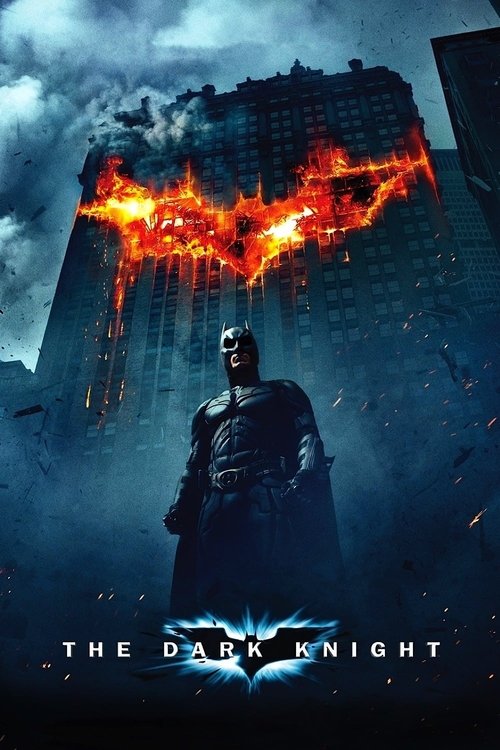
The Dark Knight (2008)
Same summer, same question: what does one unaccountable man with unlimited resources owe the public? One film answers with surveillance guilt and a cover story; this one answers with a man throwing the cover story away. Watched together, they are post-9/11 America arguing with itself.

Counter-Program
Oppenheimer (2023)
The weapons-maker's reckoning with the fantasy stripped out. Stark quits the arms business and becomes a superhero; Oppenheimer builds the bomb and learns there is no suit that lets one man take it back.
Career Context
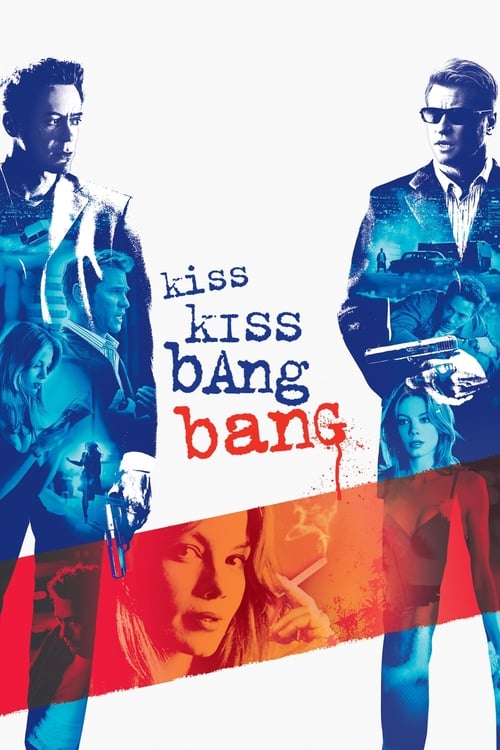
Kiss Kiss Bang Bang (2005)
The proof-of-life reel. Shane Black's noir comedy showed that a studio-poison Downey could still carry a picture on charm and velocity, and without it Favreau has no case to bring to Marvel three years later.
Further Reading
More Lunara Criticism
 ★★½
★★½
Lunara Review
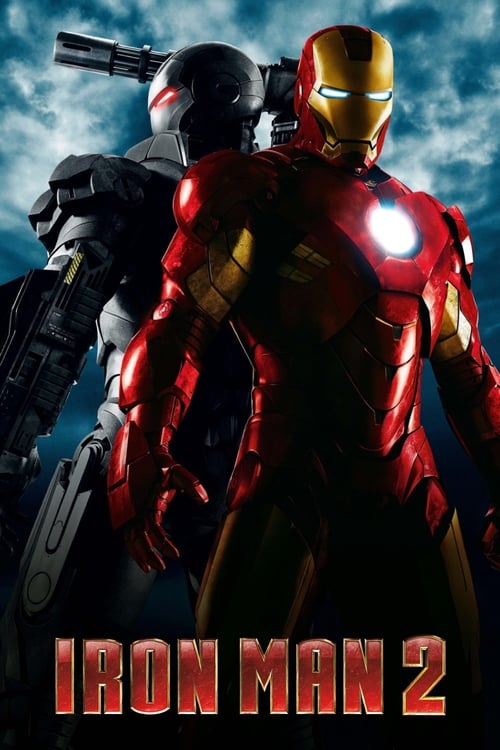
Iron Man 2 — The Sequel That Became a Commercial
For four minutes in Monaco it is a real movie; the rest is a trailer for films that do not exist yet.
Updated September 23, 2026
 ★★
★★
Lunara Review
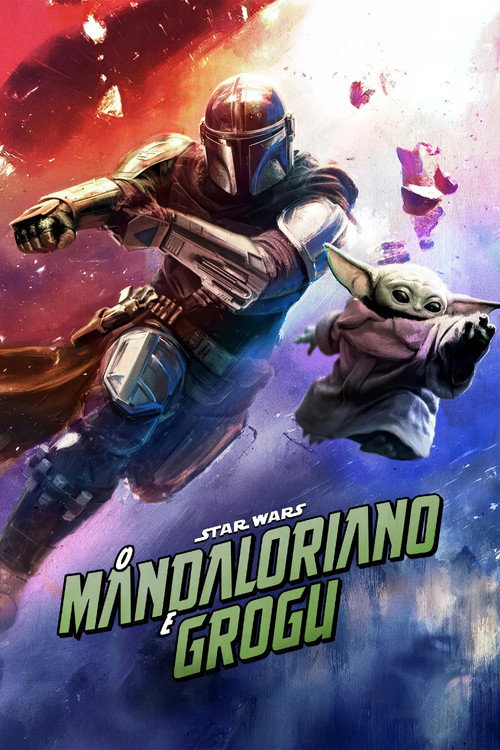
Star Wars: The Mandalorian and Grogu — The Craft Is the Alibi
The Disney+ hit makes its theatrical jump this week, and the move from small screen to IMAX doesn't enlarge the show so much as expose it...
Updated September 23, 2026
 ★★½
★★½
Lunara Review
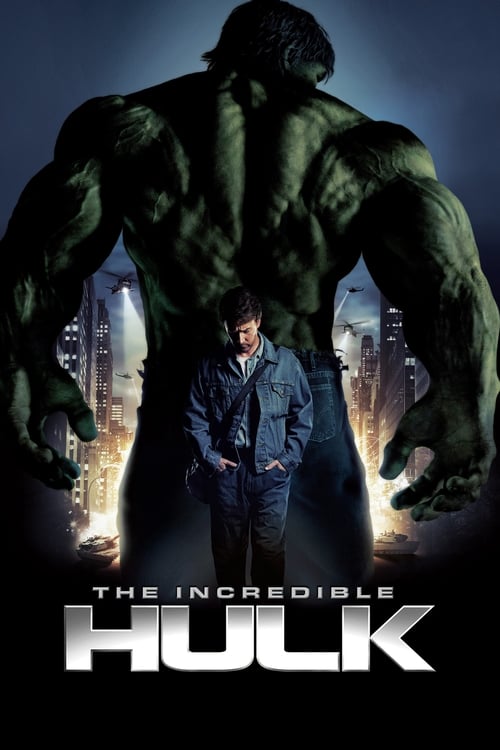
The Incredible Hulk — The First Casualty of the Machine
The best scene in this movie is not in this movie, and the film spends two hours reaching for it anyway.
Updated September 23, 2026
 ★★★★★
★★★★★
Lunara Review
Burn After Reading — Nobody Learns Anything
The Coens' spy comedy has no spy and no secret; eighteen years on, that is the scariest thing in it.
Updated September 23, 2026
 ★★★★★
★★★★★
Lunara Review
The Dark Knight — I Believed in Harvey Dent
My parents were out of town, the first showing on opening night was packed to the walls, and I walked out having watched a shooting star...
Updated September 23, 2026