

The Shrouds, 2025. Sideshow / Janus Films
The Shrouds — The Coldness Is the Argument
Movie Review
Cronenberg built a machine for watching his dead wife decompose, then made a film exactly that comfortless on purpose.
A man stands at a graveside, looking down at a small screen set into the headstone. On the screen, live and in high resolution, his wife’s body is decomposing inside her coffin. He checks the feed the way you or I check our phones. Idly. Compulsively. Like it might have changed.
This is GraveTech, the invention at the center of The Shrouds: a burial shroud wired with cameras, sold to the bereaved so they can watch, in real time, the physical dissolution of the person they cannot stop loving. Say it out loud and it sounds like the sickest joke David Cronenberg ever told. Then you learn where it came from, and the joke turns almost unbearably tender. Cronenberg has said that when his wife of nearly four decades was lowered into the ground, he felt an intense urge to climb into the box with her. The Shrouds is the film of a man who could not stand to be separated from the dead, so he imagined a technology that keeps the separation from ever completing, and then, with total discipline, made sure that neither the technology nor the film around it hands anyone a moment of comfort.
Vincent Cassel plays Karsh, the widower who invented the thing, and he is dressed and lit as an unmistakable Cronenberg double: silver hair swept back, severe, elegant, a man who turned his grief into a business and his business into a mausoleum. When the graves in his high-tech cemetery are vandalized and the camera feeds tampered with, the film puts on the costume of a thriller. Corporate espionage. Possible foreign surveillance. His sister-in-law and her paranoid ex-husband. An AI assistant with a voice that sounds too familiar. Diane Kruger plays three roles here, the dead wife in memory, the living sister, and the synthetic voice of Karsh’s digital helper, and that tripling is the whole grieving mind made visible: the beloved manufactured out of every available surface, rebuilt from a sister’s face and a machine’s voice and a rotting feed, because gone is not an option the heart accepts.
I should be honest about what this film is, because a lot of people are going to bounce off it hard, and they are not wrong to. The Shrouds is cold. It is talky, oblique, expository in a flat, affectless register, deliberately stiff. You could fairly call it cadaverous; the film itself seems locked in a kind of rigor mortis. The thriller plot is less a plot than a set of feints. Conspiracies rise and dissipate. Resolution gets gestured at and then withheld. The ending arrives abruptly and settles almost nothing. If you come wanting the propulsive Cronenberg of the body-horror set pieces, or even the lush perversity of his recent work, you will find a movie that holds you at arm’s length and narrates its own sorrow in a monotone. And here is the thing I want to say clearly: the audiences who have rejected this film are not misreading it. They are reading it perfectly and disliking what it does. I think what it does is the point.
There are two easy ways to handle the coldness, and both are wrong. The first is the apologist move: forgive the chill because the man is grieving and we owe him patience. The second is the decoder move: treat the chill as texture and the autobiography as the real content, spot the wife, spot the coffin he wanted to climb into, mystery solved. Cronenberg himself has handed us a better reading and almost nobody has taken him up on it. He has said, flatly, that making this film gave him no catharsis. That grief is forever. That the work resolved nothing, and that he does not believe in art as therapy. Take the man at his word and everything reorganizes. The coldness stops being a flaw to forgive or a code to crack. The coldness is the argument. GraveTech is grief with no endpoint: a feed with no final image, a body you keep watching precisely because the watching changes nothing, a machine built to extend the one thing everyone tells you to let go of. The film is flat and comfortless because that is what grief actually is once the funeral ends and the casseroles stop coming. Not a journey toward acceptance. A screen you cannot stop checking, forever, for a person who is only getting further away. The movie declines to console you because grief did not console him.
Read it that way and the frustrations sharpen into choices. The thriller plot evaporates because grief invents culprits; the bereaved mind needs a reason, a conspiracy, a someone-to-blame behind a death that simply happened, because randomness is more unbearable than malice. The flat exposition is the voice of depression, a man narrating his life from behind glass. Kruger’s three roles are the dead surfacing everywhere, unable to stay singular. Even the dark comedy, and the film is in stretches drily, morbidly funny, works as the specific gallows humor of the recently bereaved, the wrong laugh at the worst moment because the alternative is to stop breathing. Cassel holds all of it with a controlled deadness that is braver than it looks. He never gives Karsh the cathartic breakdown the genre begs for, because the film has decided that breakdown would be a lie.
I will not pretend the bet pays off in every scene. The opacity sometimes tips into genuine inertness; there are stretches where the withholding becomes a wall rather than a window, where non-resolution shades into simply not delivering. That is the fair cost of the wager, and it is why the reception is what it is. But the wager is real, placed by one of the few genuinely major filmmakers still working, on the one subject he has earned the absolute right to be cold about. The Shrouds is a great film not despite its refusal to move you the way movies move you, but because of it. It looks straight at the thing it cannot fix and will not pretend that looking helps.
The feed plays on. The body keeps changing. The screen keeps you company and changes nothing, and that is the truest thing this strange, frigid, devastating film has to say about outliving the person you could not bear to lose. Cronenberg got into the box with her after all. He just built it out of cameras, and invited us to watch him not climb out.
Lunara Film Debrief
- Score:★★★★
- Year:2025
- Where to Watch:
Theme Echo
What is this film really about — and who else has said it?
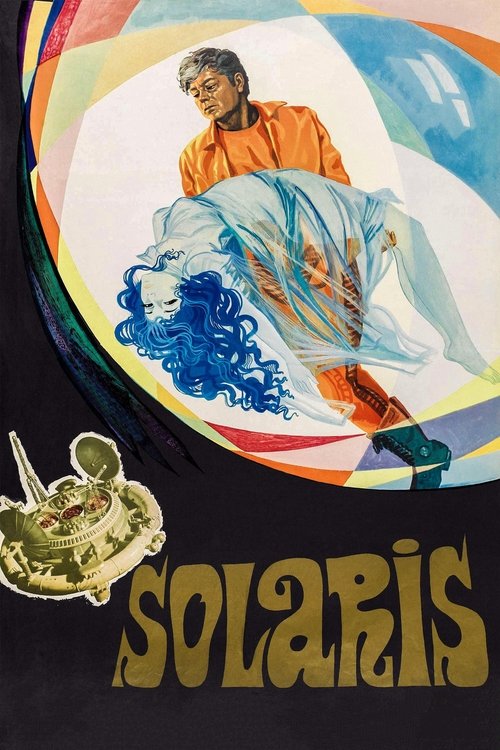
Solaris (1972)
The other great film about grief-tech and the dead reconstructed -- a man confronted with a manufactured version of the wife he lost; both films understand that the technology of refusing a death is really the architecture of a mind that cannot accept one.

Counter Program
What is the strongest argument against it?
Amour (2012)
Haneke's account of a spouse's death rendered with unbearable warmth and intimacy -- the exact tonal inverse of Cronenberg's clinical chill; pair them and you have the two opposite honesties about losing the person you spent a life beside.
Career Context
Where does this sit in the artist's story?
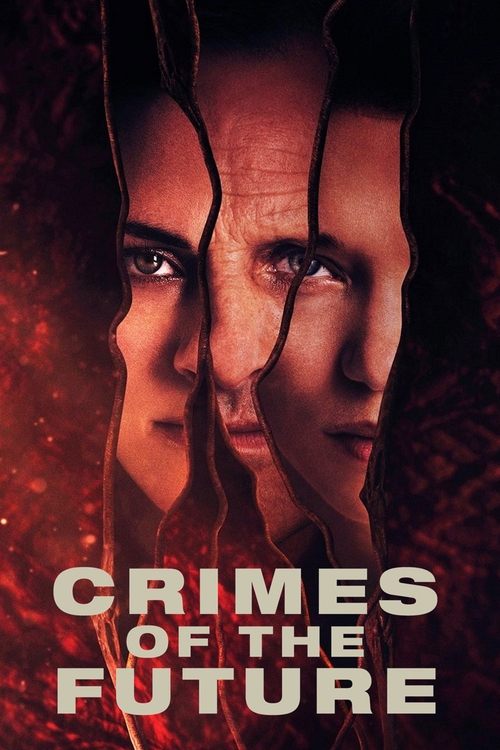
Crimes of the Future (2022)
Late Cronenberg's prior dispatch -- bodies, surgery, surveillance, desire turned cold and conceptual; The Shrouds is the same vocabulary turned inward and autobiographical, the body-horror master finally filming his own grief.
More Lunara Film Criticism
Further Reading
 ★★★★★
Lunara Film Review
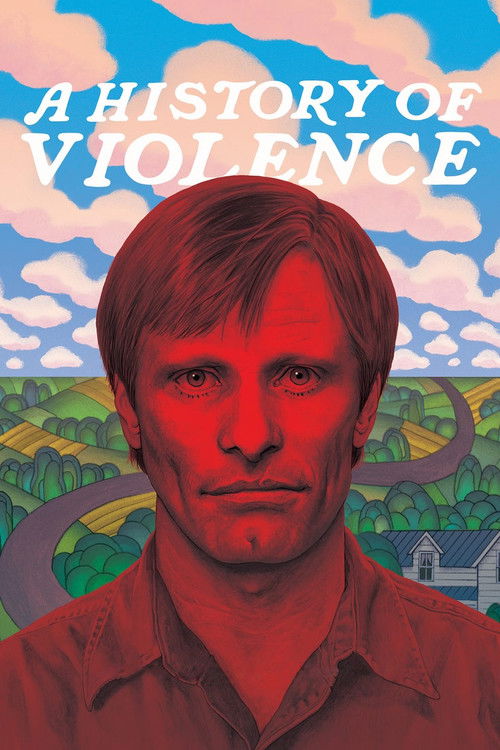
A History of Violence — The Mask Grows In
Cronenberg's American postcard, with the blood already in the frame.
Updated September 23, 2026
 ★★★½
Lunara Film Review
Den of Thieves 2: Pantera — Burn the Blueprints
The first one wanted to be Heat; this one would rather be drunk, and it turns out drunk is the more honest condition.
Updated September 23, 2026
 ★★½
Lunara Film Review
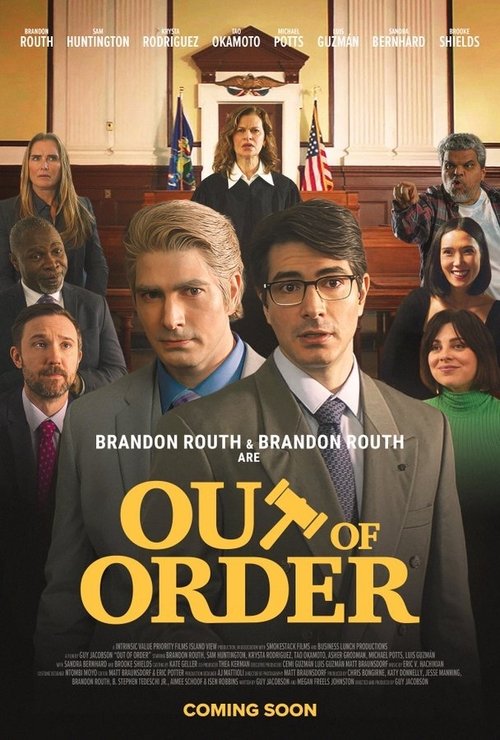
Out of Order! — The Reunion the Movie Doesn’t Know It Has
Superman and Jimmy Olsen share frames again after nineteen years, a Broadway scene-stealer plays the farce all by herself, and the screenplay never shows up to...
Updated September 23, 2026
 ★★½
Lunara Film Review
The Gorge — The Distance Was the Movie
Scott Derrickson's two-hander has one of the best premises of the year and the saddest relationship to it -- a film that treats the very...
Updated September 23, 2026
 ★★★
Lunara Film Review
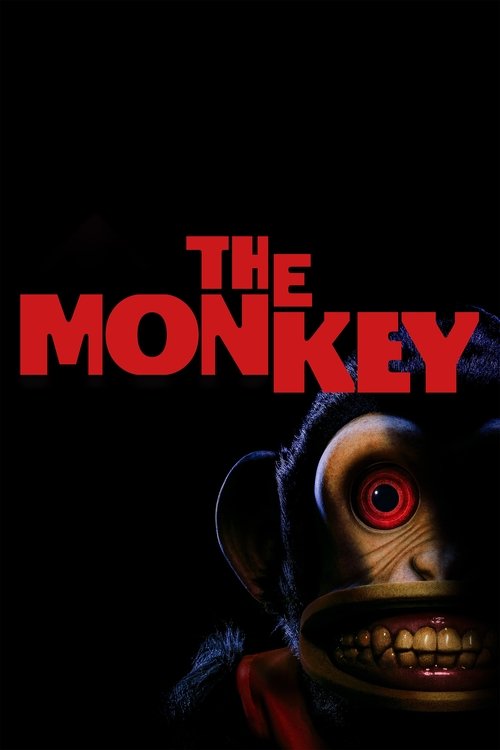
The Monkey — Laughing at the Funeral
Osgood Perkins follows the dread of Longlegs with something that looks like its opposite -- a gleeful splatter comedy about a cursed toy...
Updated September 23, 2026