

Thor: Love and Thunder, 2022
Thor: Love and Thunder — A Tone Is Not a Formula
Movie Review
A tone is not a formula, and this is the sequel that proves it by photocopying one.
A father carries his dying daughter across a cracked desert. He prays the prayers. He keeps the faith. He buries her anyway. Then he staggers into an oasis and finds the god he prayed to, and the god is real, lush, laughing, and could not care less. Christian Bale plays the next ninety seconds like a man watching his whole life turn out to be a practical joke, and when he lifts the sword and becomes Gorr the God Butcher, the name lands as a fair verdict, not a threat. It is stark, patient, genuinely frightening filmmaking, and it is the best scene Thor: Love and Thunder will ever have. Then the movie cuts to Thor striking a slow-motion muscle pose while a rock monster narrates for laughs, a goat screams somewhere offscreen, and the picture announces the condition it will never escape. It does not trust its own material for longer than a scene.
What makes that maddening is who is holding the camera. Taika Waititi built the very mechanism this film keeps fumbling. Ragnarok worked for a reason people consistently misremember: the jokes were never the point, the jokes were a symptom. Thor lost his father in that movie, then his hammer, then his hair, then his whole homeland, and the comedy played like the desperate flailing of a god who had run out of dignified responses. The humor was priced. When he bantered with the Hulk, people he loved were dying. When he lost the eye, the eye stayed lost. Five years on, Love and Thunder inherits the tone and cancels the pricing. Nothing costs anything, so the jokes have nothing to bounce off except each other, and what felt like liberation in 2017 plays like mandate in 2022.
You can see the difference on Chris Hemsworth’s face. He is still effortlessly watchable, and he is visibly performing a discovery he already made once. Thor learned he could be funny five years ago. This movie asks him to learn it again, and repetition is not an arc. It is a rerun with a bigger budget.
Meanwhile Bale is off making his own film, and it is a far better one. His Gorr wants no throne and no territory; his violence is a theological position. The cosmic order is real, it is awake, and it is contemptuous of the suffering it licenses, so the only moral act left is deicide. Bale plays him emaciated and soft-voiced, a zealot hollowed out and refilled with something harder, and in the Shadow Realm sequence Waititi finally hands him a stage worth the performance. The color drains clean out of the frame, black-and-white figures on a bleached moon, and for a few minutes the film commits to being scared of its own villain. Watch Bale hold Jane captive and quietly debate the market value of one human life, and you can see the horror film this could have been, whole and breathing. He gets maybe forty minutes of screen time. The other ninety are spent making sure nobody in the theater feels anything sharp for too long.
The same instinct wounds the film’s other true story, and this one hurts more. Natalie Portman returns as Jane Foster carrying the perfect dramatic premise: stage four cancer, and a hammer whose power feels like a cure while it quietly spends down what little of her is left. The cure is killing her. That is a great movie in one sentence. In the hospital scenes, when the camera holds still on a woman getting chemotherapy while her ex-boyfriend is a literal god, Portman finds a tired, precise devastation the film around her has not earned. Her training montage in Asgard plays with a dread the triumphant music cannot cover, because every rep brings her closer to the end. And then the movie loses its nerve. It cuts to Zeus’s orgy jokes and screaming goats and files her death sentence as one plot thread among several instead of the gravity holding the whole picture down. Tessa Thompson’s Valkyrie fares worse: an alcoholic warrior-king in transition, one of Ragnarok’s richest inventions, handed reaction shots and combat coverage, a monarch used as furniture. Russell Crowe’s Zeus is one satirical idea, gods are vain landlords, stretched across a full act and enjoyed mostly by Crowe.
The fair word for the structure is a splice. Gorr’s horror film and Thor’s comedy special are not blended, they are alternated, and every cut between them damages both. Sit with the child-abduction sequence, which is genuinely eerie, kids caged in a realm of shadow, and then clock how fast the film sprints to a gag about Thor’s axe being jealous of his hammer. That gag is the single funniest idea in the picture. It still should not be arriving on the heels of caged children. Comedy and tragedy can share a film. They can share a scene. What they cannot share is a director hedging between them, and hedging is Waititi’s whole posture here: mocking everything, committing to nothing, satire without the stomach for it.
Let me be fair about what works, because when this movie lands, it lands. The Shadow Realm is striking. A handful of the jokes are killers. And the ending, Gorr choosing his daughter’s life over his revenge while Thor inherits the girl, arrives at real feeling by the final scene. But a film cannot spend two hours teaching you that its emotions are cancellable and then ask you to take the last five minutes at face value. Trust does not work that way in a theater any more than it does across a table.
So here is the verdict, plainly. Love and Thunder is the cautionary sequel, proof that the same director who freed a character can shrink him by photocopying the freedom instead of re-earning it. A man whose daughter died in the cold open deserved a movie that stayed serious about him. A woman dying of cancer deserved better than to split her runtime with a goat scream. Two great films are visible from where this one stands. The one that got made keeps interrupting the view.
Lunara Film Debrief
- Score:★★
- Year:2022
- Where to Watch:
Theme Echo
What is this film really about — and who else has said it?
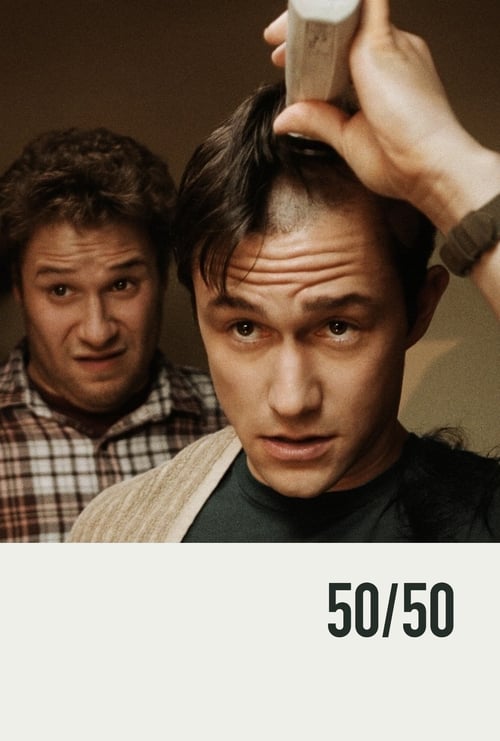
50/50 (2011)
Proof the tonal problem was solvable, because this comedy keeps its jokes and its chemotherapy in the same body, letting the humor be the symptom of the fear instead of the escape hatch from it. Everything Jane's storyline needed, demonstrated at one-tenth the budget.
Counter Program
What is the strongest argument against it?
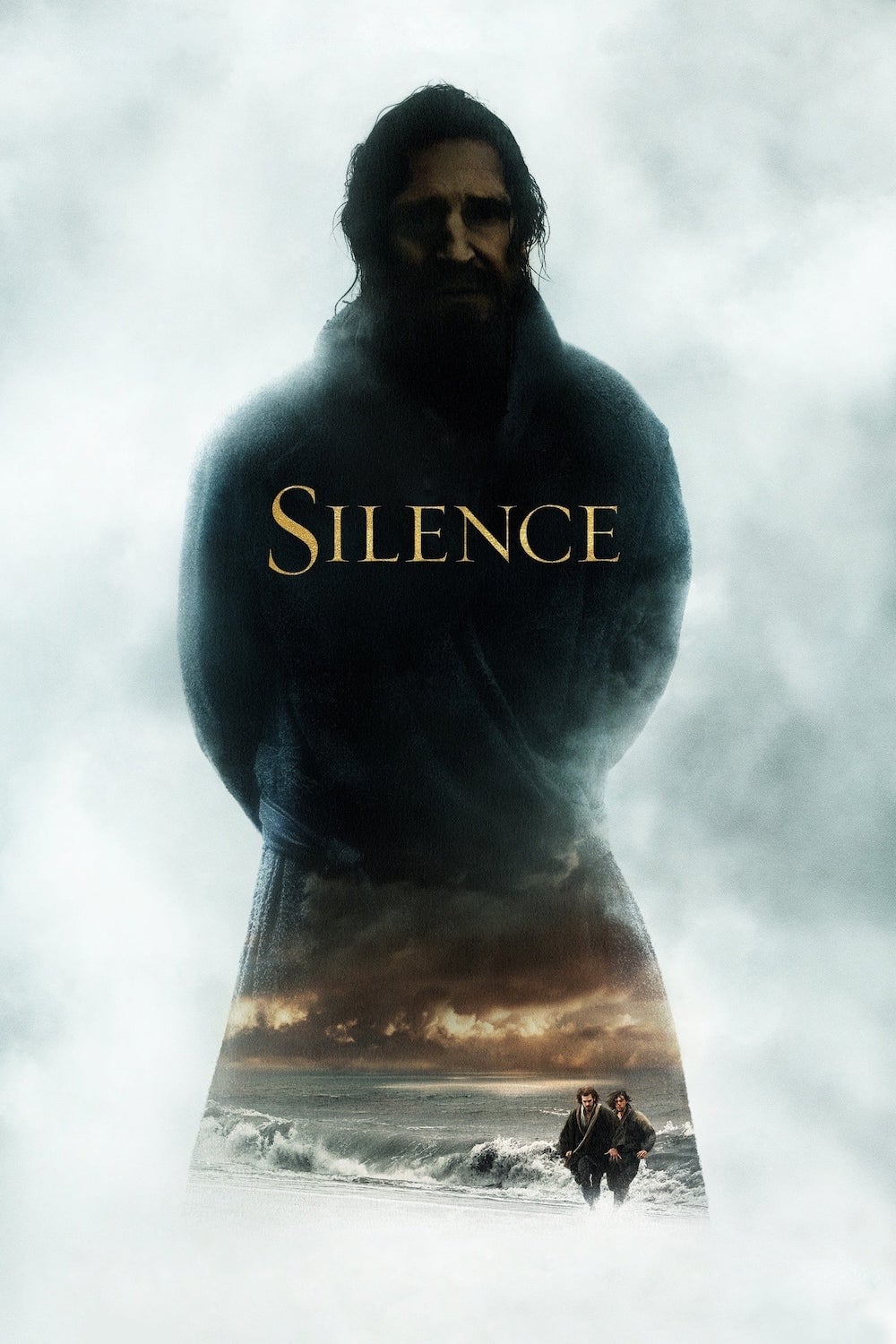
Silence (2016)
Gorr's question, whether God hears us and whether He cares, taken with total commitment and zero comic relief. Scorsese stares at divine indifference for nearly three hours without blinking; Waititi cuts away inside ninety seconds. Run the double feature and you learn what commitment costs and what it buys.
Career Context
Where does this sit in the artist's story?
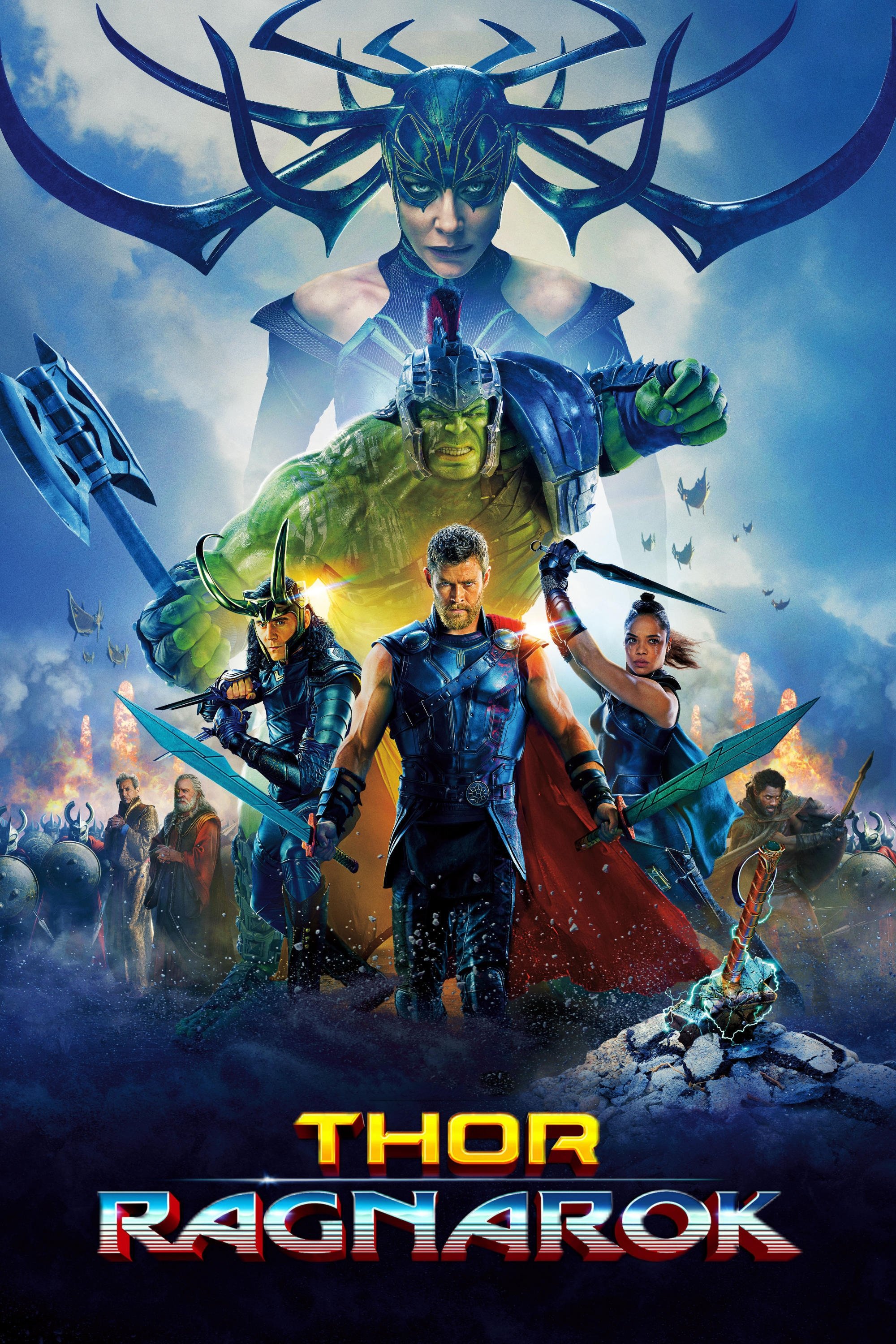
Thor: Ragnarok (2017)
The original discovery this film photocopies. Watch them close together and the difference is unmistakable: in Ragnarok every joke has a body count behind it, and in Love and Thunder the jokes are load-bearing walls with nothing on top of them.
More Lunara Film Criticism
Further Reading
 ★★★
Lunara Film Review
Thor: Ragnarok — Laughing a Beat Too Long
Waititi rescues the franchise's dullest god by burning his world down, then laughs a beat too long at the flames.
Updated September 23, 2026
 ★★★★★
Lunara Film Review
Decision to Leave — Surveillance Is the Love Language
Park Chan-wook's detective romance understands the terrible secret of both professions: to investigate someone and to love someone are the same activity.
Updated September 23, 2026
 ★★★½
Lunara Film Review
Black Panther: Wakanda Forever — Stronger as Eulogy Than Entertainment
The first franchise film that had to bury its star before it was allowed to tell a story.
Updated September 23, 2026
 ★★★★★
Lunara Film Review
Babylon — The Movies Were Never Respectable
Three hours of vomit, jazz, and dying stars, all of it in defense of one heretical idea: the sacred thing was built by the vulgar people.
Updated September 23, 2026
 ★★★★½
Lunara Film Review
All Quiet on the Western Front — The Uniform Outlives the Boy
Edward Berger's war film opens with laundry, and the laundry is the most frightening thing in it.
Updated September 23, 2026